
Landing
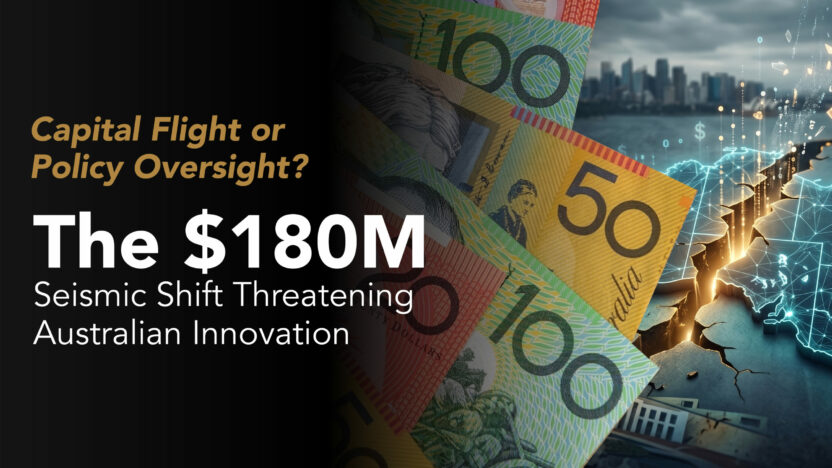
Capital Flight or Policy Oversight? The $180M Seismic Shift Threatening Australian Innovation
A formal Senate submission by Wholesale Investor / CapitalHQ details the alarming real-world reactions of 260 founders and investors to proposed federal tax changes. With 91% of sophisticated investors scaling back local allocations and over $180M already paused or redirected offshore, the report warns of a structural funding crisis threatening the future of Australian deep tech, private equity, and startup innovation.

The Yield Illusion: Inside RAM’s Strategy to Withstand the Credit Shakeout
As interest rates reprice in 2026, the rush into private credit has created a dangerous trap for yield-hungry investors. Real Asset Management Group CEO Scott Kelly exposes the “yield illusion” dominating the market and explains why an origination-led, low-arrears mortgage strategy is the ultimate defense against an impending credit shakeout.
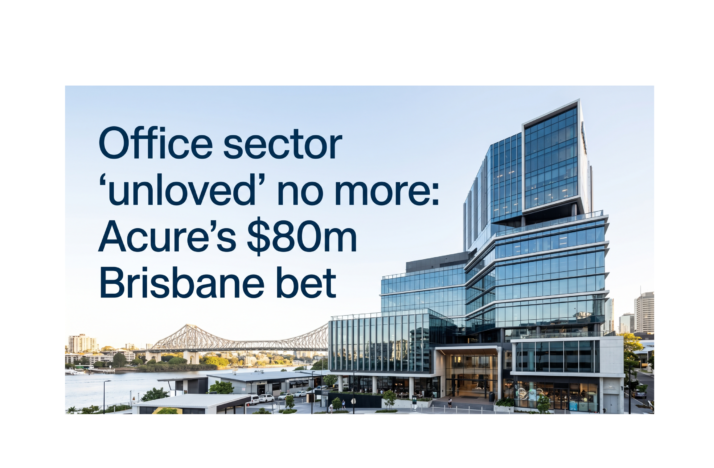
Office sector ‘unloved’ no more: Acure’s $80m Brisbane bet
While institutional investors remain wary of the office sector, Acure Asset Management is doubling down. Founder Angelo Del Borrello explains the “unloved” asset strategy behind his latest $80 million Brisbane acquisition and why the 2032 Olympics are creating a unique arbitrage opportunity for private syndicates.

The control layer for the electrified home
THE MARKET SHIFT Australian households have been pulled into a real-time energy market they never knowingly signed up for. Flat electricity tariffs are disappearing. In their place: dynamic, time-of-use pricing that changes depending on when power is consumed. Electricity is now cheapest when solar floods the grid in the middle of the day — and […]

500 Million Episodes, Limited Treatment: How Patrys is Bridging the Gap in an Underserved Market
In the clinical vocabulary of the Intensive Care Unit, there is perhaps no word that carries as much quiet dread as delirium. It is a “chemical storm” of the brain—an acute dysfunction where the delicate balance between calming and activating signals is scrambled. For the patient, it can be a waking nightmare of hallucinations and […]
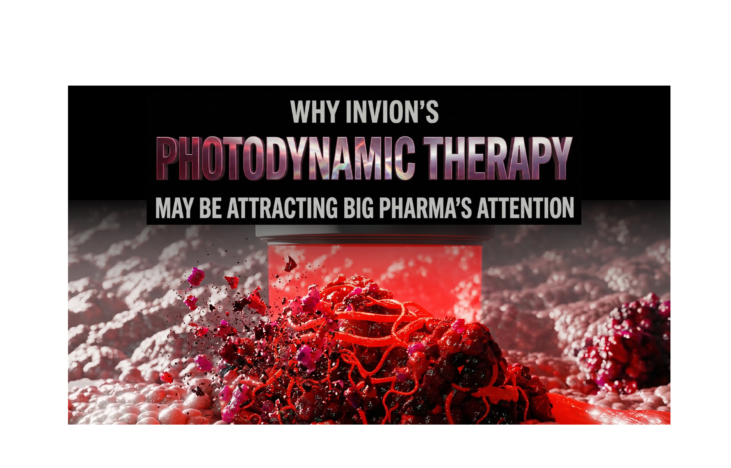
The Light Fantastic: Why Invion’s Photodynamic Therapy May Be Attracting Big Pharma’s Attention
Invion Limited is challenging the status quo in oncology with its Photosoft™ platform, a precision therapy that uses light-activated molecules to selectively target cancer cells. By transforming the body’s own immune response and addressing the high costs of current cancer treatments, Invion is positioning itself as a transformative player in the biotech sector. With clinical trials underway and strong institutional partnerships, the company is bridging the gap between scientific breakthrough and accessible, scalable patient care.
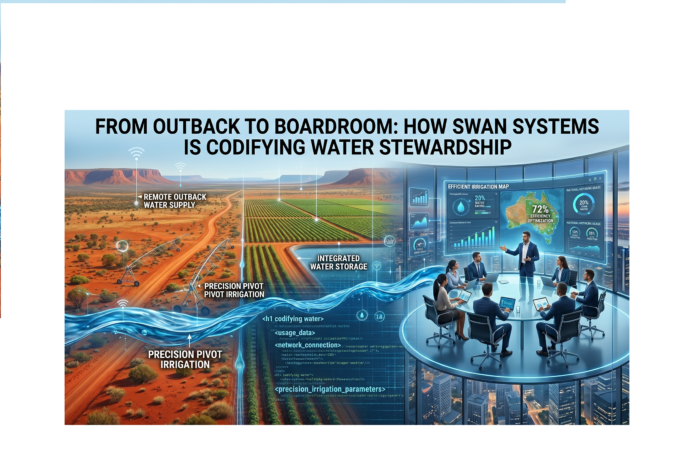
From Outback to Boardroom: How SWAN Systems is Codifying Water Stewardship
From the arid deserts of Australia to the boardrooms of global tech giants, SWAN Systems is redefining water efficiency. By bridging the gap between field-level agronomics and autonomous irrigation control, the company is proving that “water-positive” targets can be met with science, data, and a 10x ROI commitment.
The Ferrari of Immunotherapy: Chimeric’s High-Stakes Race to Cure Cancer
In the high-stakes world of biotechnology, the most sophisticated weapon against cancer isn’t a new chemical compound but the patient’s own immune system, re-engineered with the precision of a high-performance engine. “This particular CAR T is like a Ferrari,” says Dr. Rebecca McQualter, CEO of Chimeric Therapeutics (ASX: CHM). “It’s got two big engines on […]

From Algae Pioneers to a Natural Revolution: The Second Act of WRS Bioproducts
As the US FDA prepares to phase out synthetic food colors by the end of 2026, WRS Bioproducts is stepping in to solve a looming supply crisis. Led by industry pioneer Harry Rosen, the company is leveraging 40 years of industrial algae farming expertise to scale production of natural, superior-quality beta-carotene, positioning itself as a vital supplier in the rapidly shifting global market for natural ingredients.
Backed By Leading Investment Groups and Family Offices