
News and Announcements
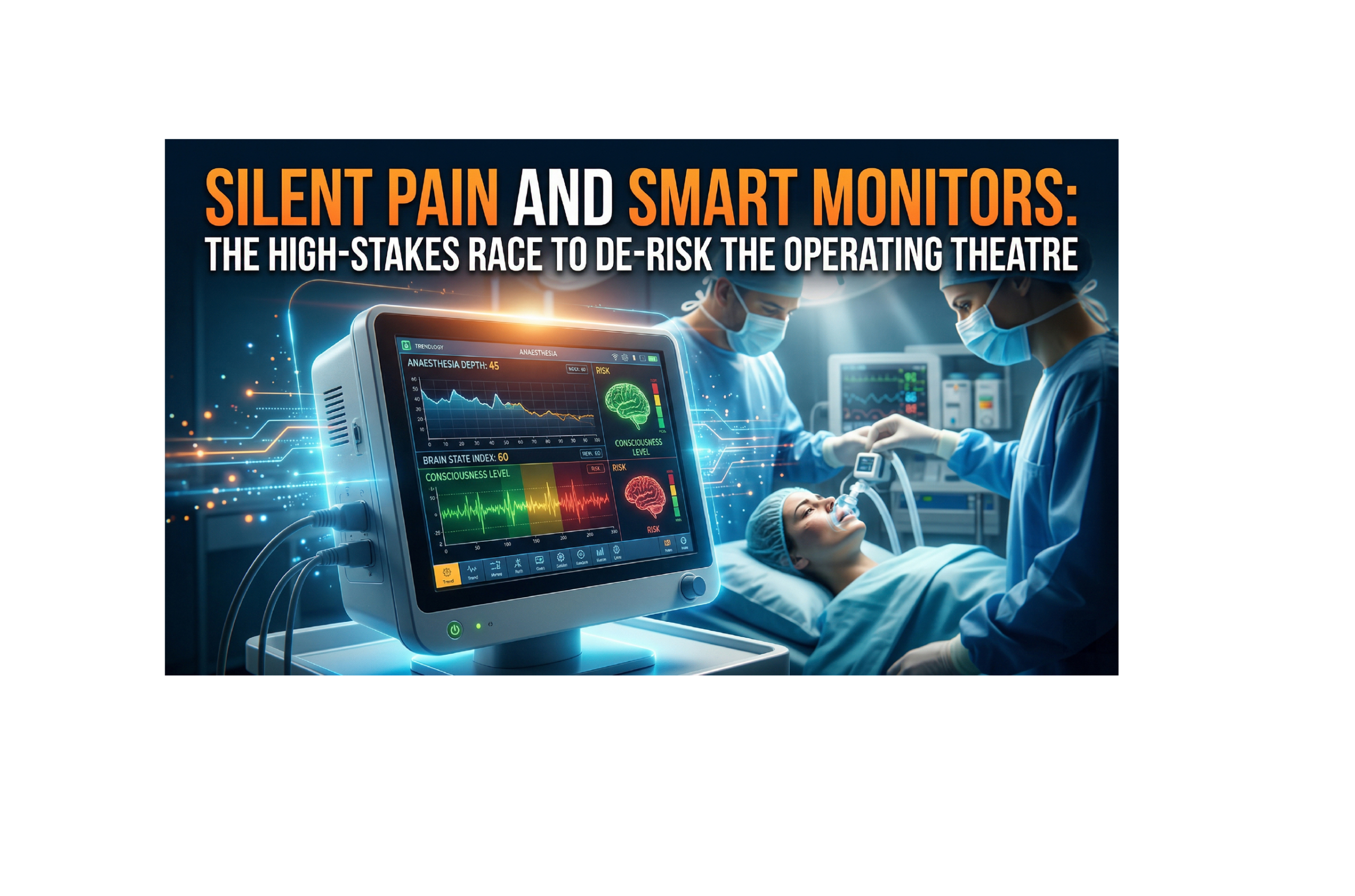
Silent Pain and Smart Monitors: The High-Stakes Race to De-Risk the Operating Theatre
- Published April 14, 2026 1:10AM UTC
- Publisher Jade Miguel
- Categories Capital Insights, Executive Interviews, Landing, Life Science Hub, Trending
For most patients, the greatest fear of surgery isn’t the scalpel—it’s the “going under.” We entrust our consciousness to a cocktail of drugs, hoping the anesthesiologist can perfectly balance the art of sedation with the science of survival.
“Anesthesia has historically been more of an art than a science,” says Ashley Zimpel, CEO of Cortical Dynamics. A former investment banker who traded the trading floor for the med-tech lab, Zimpel isn’t just chasing a better monitor but he’s chasing the elimination of a silent clinical risk. “Patients can be overdosed or underdosed, which creates a suite of problems both during the operation and long after they leave the recovery room.”
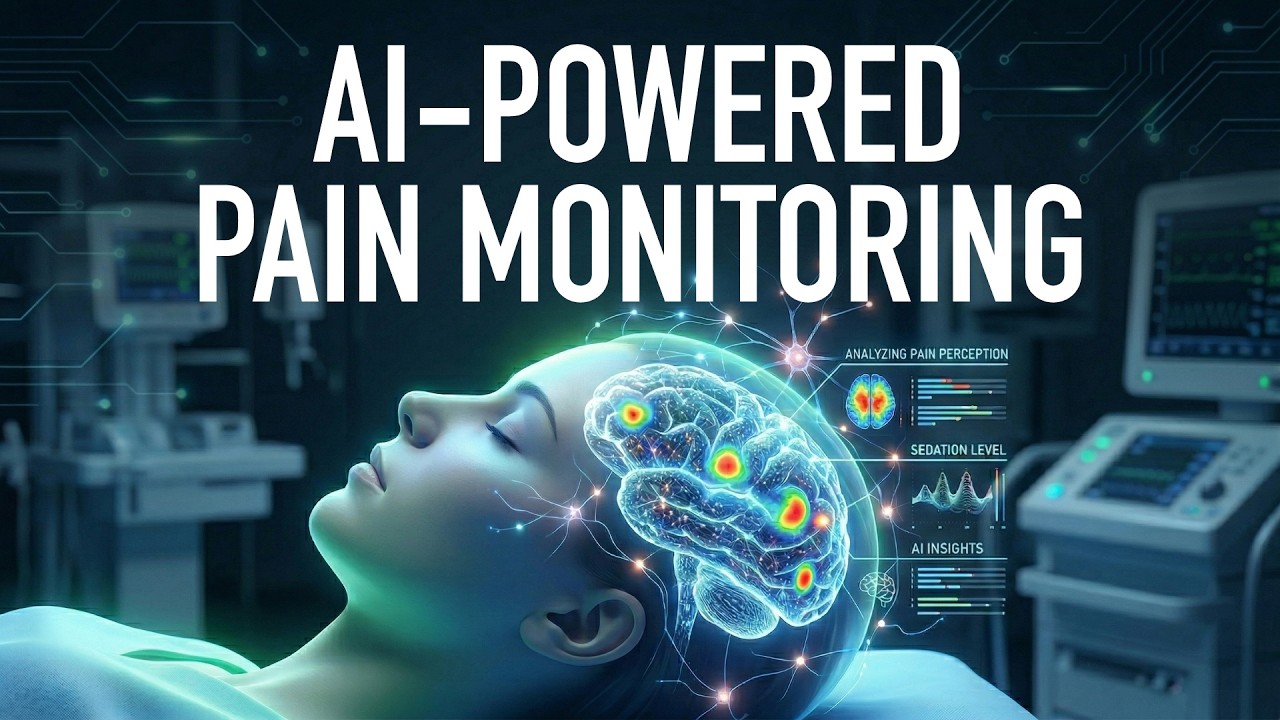
The $50 Million Marathon
In the high-stakes world of medical devices, there are no overnight successes. Zimpel is candid about the “economic logic” of the sector: it typically takes 15 years and a minimum of US$50 million to bring a device to market.
Cortical Dynamics is currently at year 14.5.
The company is the architect behind BARM 2.0 (Brain Anesthesia Response Monitor), an AI-powered platform designed to replace tools that haven’t fundamentally changed in 30 years. While legacy monitors often provide lagging, sometimes inaccurate data, BARM 2.0 uses advanced algorithms to provide real-time monitoring of the brain by analysing changes in the EEG ( brain wave activity) of both the cortex and sub-cortex as a consequence of the drugs being administered by the anaesthesiologist during an operation involving general anaesthesia.
Solving the ‘Silent Pain’ Problem
The technological breakthrough lies in how it addresses nociception—the body’s response to pain even while unconscious.
“Just because you’re effectively ‘under’ doesn’t mean the body isn’t going through all the stresses it would normally go through if you were awake,” Zimpel explains.
By measuring both the depth of anaesthesia and the level of pain in a single device, Cortical is providing clinicians with a “level of precision and real-time visibility that simply doesn’t exist today.” It turns the “black box” of the anesthetised brain into a transparent data set, allowing for nuanced drug delivery that ensures a smoother emergence from surgery.
A ‘Plug-and-Play’ Strategy
Cortical’s commercial strategy is built on institutional credibility rather than just raw innovation. The company has secured a plug-and-play license agreement with Philips, the global med-tech giant. This allows a version of Cortical’s technology to integrate directly into the ubiquitous Philips IntelliView monitors found in operating rooms worldwide.
Further bolstering its pedigree, the company has partnered with:
- The Austrian Institute of Technology: Experts in signal quality and EEG filtering.
- BPH Energy (ASX: BPH): Their largest shareholder, providing the long-term capital required to navigate the regulatory “valley of death.”
- Leading Hospitals: Planned clinical trials at Henry Ford Hospital in the US and UMCG in the Netherlands.
Perhaps the strongest vote of confidence comes from within the scrub room: over 10% of the company’s investors are anesthesiologists, surgeons, and doctors.
The Value Inflection: De-risking the ‘Hot Zone’
For investors, the story of Cortical Dynamics is one of de-risking. Unlike early-stage “moonshot” biotechs, Cortical has already cleared the primary regulatory hurdles with its first-generation device, which earned FDA 510(k) clearance, TGA approval, Korean MFDS and CE marking.
As they finalise the AI-enhanced BAM 2.0, they are using the first version as a “predicate device” to accelerate the next round of regulatory approvals.
“Investors coming in now benefit from all the hard work done over the last 14 years,” says Zimpel. “We are a near-term commercial product. We are moving quickly to calibrate our indices based on upcoming clinical trials and then heading straight toward global commercialisation.”
The Bottom Line
With 300 million surgeries performed annually, the market for better brain monitoring is a global necessity. Beyond the operating room, Zimpel eyes the ICU as the next frontier for the technology.
As Cortical Dynamics prepares for its final sprint toward a global rollout, the valuation gap between a “publicly unlisted” developer and a commercial-stage med-tech leader represents a significant window for those who understand the patience required for a 15-year breakthrough.
In the world of anesthesia, timing is everything. For Ashley Zimpel and his team, the time to wake up the market is now.
Trending

The A$20.4 Million Inertia Trap: How Kepa Software Is Unlocking Value in Enterprise Capital Allocation
A government agency renewed the same maintenance decision nine years running, because auditing the original choice was deemed too expensive. When the portfolio was finally tested, A$20.4 million of low value spend was identified in a single year. Kepa Software’s capital governance platform was built to expose and eliminate precisely these boardroom blind spots. For […]
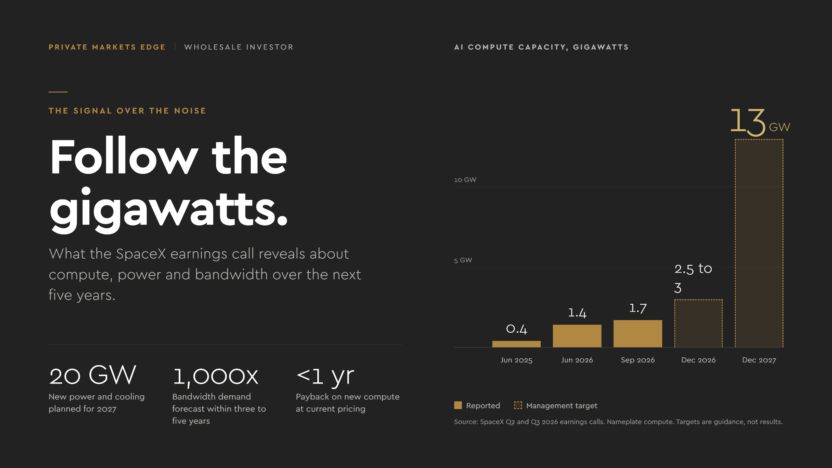
Forget the share price. SpaceX just published a map of the next five years.
Most coverage of SpaceX’s result focused on a 9.1% share price fall. That is noise. The signal is in the transcript: compute, power, bandwidth and demand over the next five years.

The prefab company that deliberately leaves part of the house unbuilt
BuiltQuik prefabricates the floor and roof structure and stops there. Co-founder Ryan Mullaney argues the omission is the product. Prefabricated housing usually means a factory. A large central facility, identical modules, limited room to move on design, and a logistics problem getting the finished box to site. BuiltQuik builds the opposite, and the design decision […]
Backed By Leading Investment Groups and Family Offices