
News and Announcements
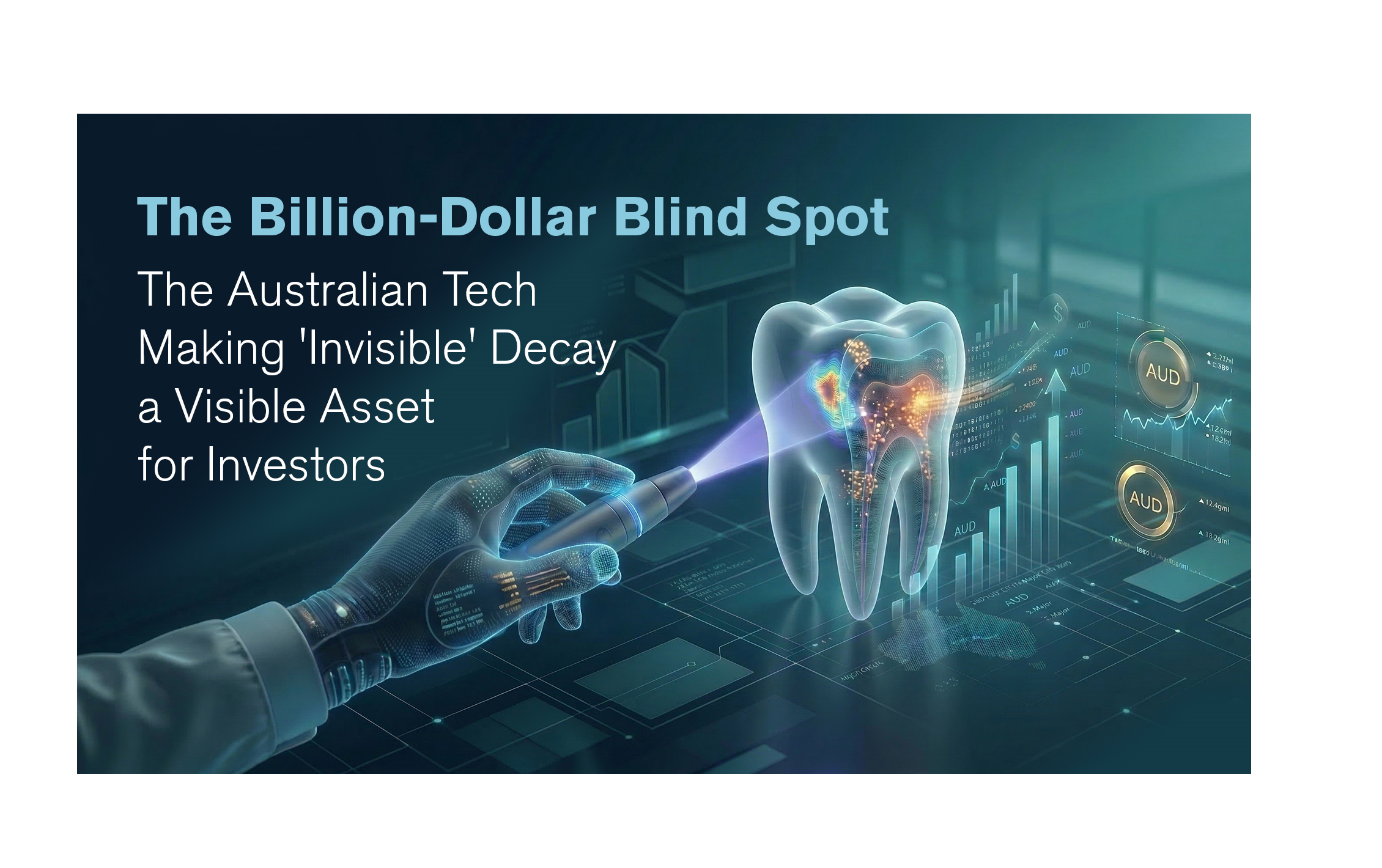
The Billion-Dollar Blind Spot: The Australian Tech Making ‘Invisible’ Decay a Visible Asset for Investors
- Published March 30, 2026 11:10PM UTC
- Publisher Jade Miguel
- Categories Capital Insights, Executive Interviews, Landing, Life Science Hub, Trending
In the world of modern medicine, we hunt for trouble. We screen for biomarkers, monitor blood pressure, and biopsy suspicious lumps long before they cause pain. Yet, step inside a dental clinic, and you enter a curious time capsule. For over a century, the standard of care has remained stubbornly reactive: “watch and wait” until a hole is big enough to see on a Victorian-era X-ray, then reach for the drill.
“Why are we watching and waiting in dentistry but not in medicine?” asks Kerry Hegarty, CEO of Melbourne-based Incisive Technologies.
Hegarty, a seasoned leader in the innovation space, isn’t just asking a rhetorical question. She is spearheading the commercial rollout of BlueCheck, an FDA-approved diagnostic tool that aims to move dentistry from a “restorative” industry to a “preventative” one. It is a shift that could disrupt a multi-billion dollar market and solve the world’s most common chronic disease: tooth decay.
The 30-Micron Breakthrough
The “blind spot” in oral health is a matter of scale. A traditional dental X-ray—a technology that hasn’t fundamentally changed since 1896—can typically only detect decay once a lesion has reached a depth of 100 to 150 microns. By then, the structural integrity of the tooth is often compromised.
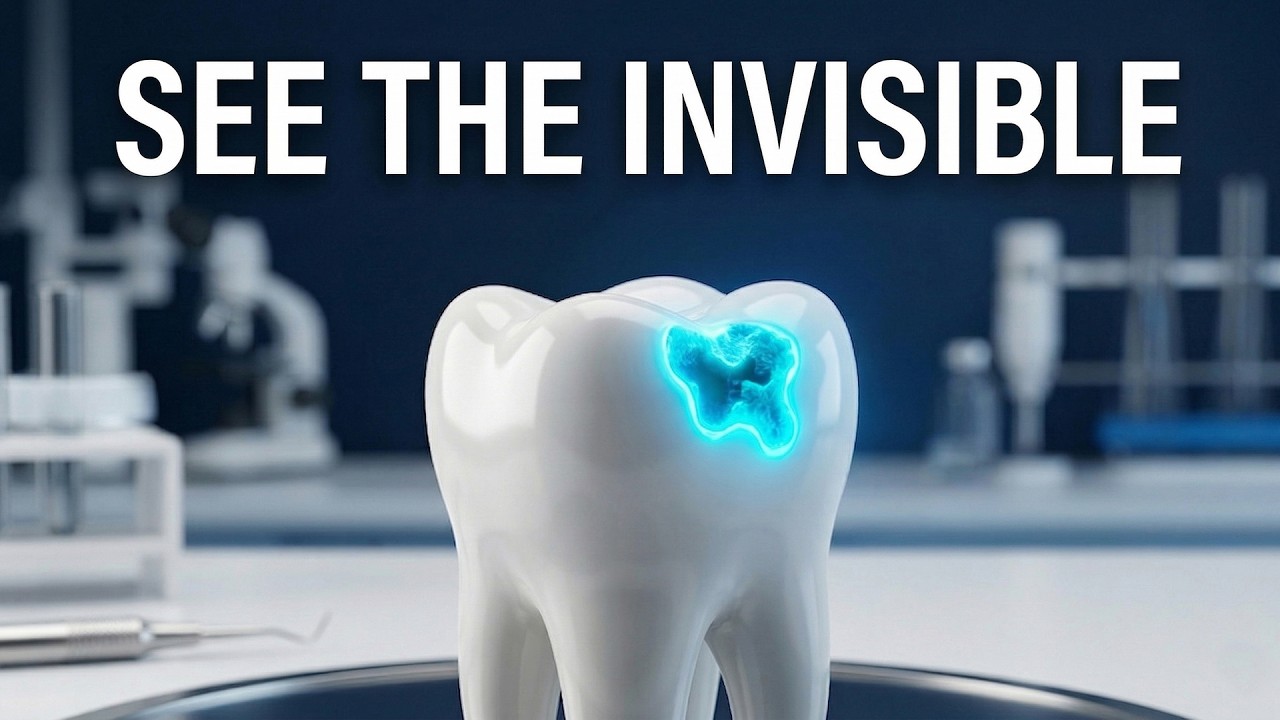
BlueCheck changes the resolution of the battlefield. It is a simple, painted-on solution that binds to the porosity of active decay, providing a visible blue signal for lesions as shallow as 30 microns.
“We are effectively seeing the invisible,” Hegarty explains. “BlueCheck finds two to three times more ‘caries’—the stage before a cavity exists—than a standard visual inspection.”
For the patient, the “cloaking device” is removed. When the blue dye is rinsed away, any remaining blue highlights exactly where the enamel has been demineralised and decay is forming. This visual confirmation transforms the clinician-patient relationship from one of blind trust to active collaboration.
A $200 Question: “Did it Work?”
The timing for the prevention revolution is fueled by a perfect storm in the US market. With growing regulatory scrutiny over routine X-ray radiation and shifting policies on water fluoridation, the industry is desperate for new ways to monitor health.
Furthermore, the market is currently flooded with “remineralisation” products—high-tech pastes and treatments designed to heal early decay without drilling. However, these treatments have lacked a feedback loop.
“You replace a hip, and someone tells you if it worked. But no one tells you if your $200 remineralisation treatment actually fixed the tooth,” says Hegarty. “BlueCheck answers two questions: Do I have decay you can’t see? And, now that you’ve treated it, did it work?”
From Elite Institutions to the Family Bathroom
The clinical community is already signaling its hunger for the tech. Incisive is currently running pilots at prestigious US institutions like Case Western Reserve University. In a study of the Head Start cohort of “street-wise” three-to-five-year-olds in Cleveland, the device not only caught significantly more decay than the standard of care but also turned dental hygiene into an engaging “game” for the children.
But Hegarty’s vision extends far beyond the dentist’s chair. While the company remains laser-focused on its clinical rollout, the roadmap includes:
- At-Home Monitoring: A mouthwash version of BlueCheck for parents to track their children’s oral health between visits.
- Teledentistry: Integrating with AI and mobile clinics to allow for remote diagnosis in underserved communities.
The Investor Takeaway: The “Hot Zone” of Prevention
Incisive Technologies is that rare biotech that plays where the science is elegant, the workflow change is minimal, and the unmet need is universal. Having already secured the “holy grail” of FDA approval, the company has bypassed the most significant regulatory hurdles that sink many med-tech hopefuls.
Currently raising capital to fuel its US expansion, Incisive is positioned at a classic value inflection point. As the “drill and fill” era faces its twilight, the company providing the “eyes” for the preventative revolution is sitting in a very lucrative hot zone.
In a sector often obsessed with complex “moonshots,” Hegarty is betting that the biggest returns will come from something far more fundamental: the ability to take a breath, open wide, and finally see what’s happening as a biomarker of the early stages of disease.
Trending
The Algorithm Re-Dosing Cancer Treatment: Inside the University of Melbourne Spin-Out Rewriting a 60-Year-Old Formula
Oncology specialists are still calculating toxic chemotherapy doses using a formula from the era of the Ford Model T, leading to a system where seven out of eight patients are routinely overdosed. University of Melbourne spin-out PredicTx is dismantling this legacy approach, utilizing advanced AI to analyze existing patient CT scans, deliver precision medicine to the bedside, and return a massive 100x financial rerate to hospital networks.
Asset over thematic: Centuria’s Andrew Essey warns against ‘blanket strategies’ as global capital eyes Australia
Relying solely on broad macroeconomic trends is the single biggest mistake property investors make today. Centuria Capital CIO Andrew Essey explains why asset-level “lettability” always trumps the overarching sector thematic, and reveals where global institutional capital is quietly pivoting to capture high-octane returns.
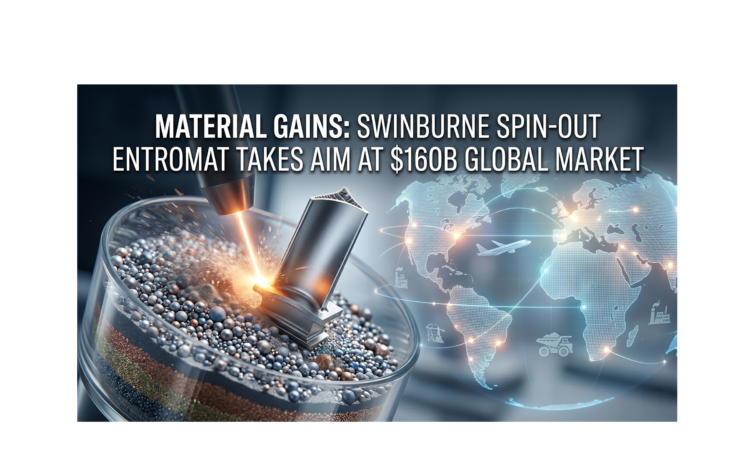
Material gains: Swinburne spin-out EntroMat takes aim at $160b global market
Traditional metallurgy has hit a performance wall. Discover how Swinburne University spin-out EntroMat is leveraging physics-based AI and circular critical minerals to engineer high-entropy alloys capable of surviving the world’s most extreme industrial environments.
Backed By Leading Investment Groups and Family Offices