News and Announcements
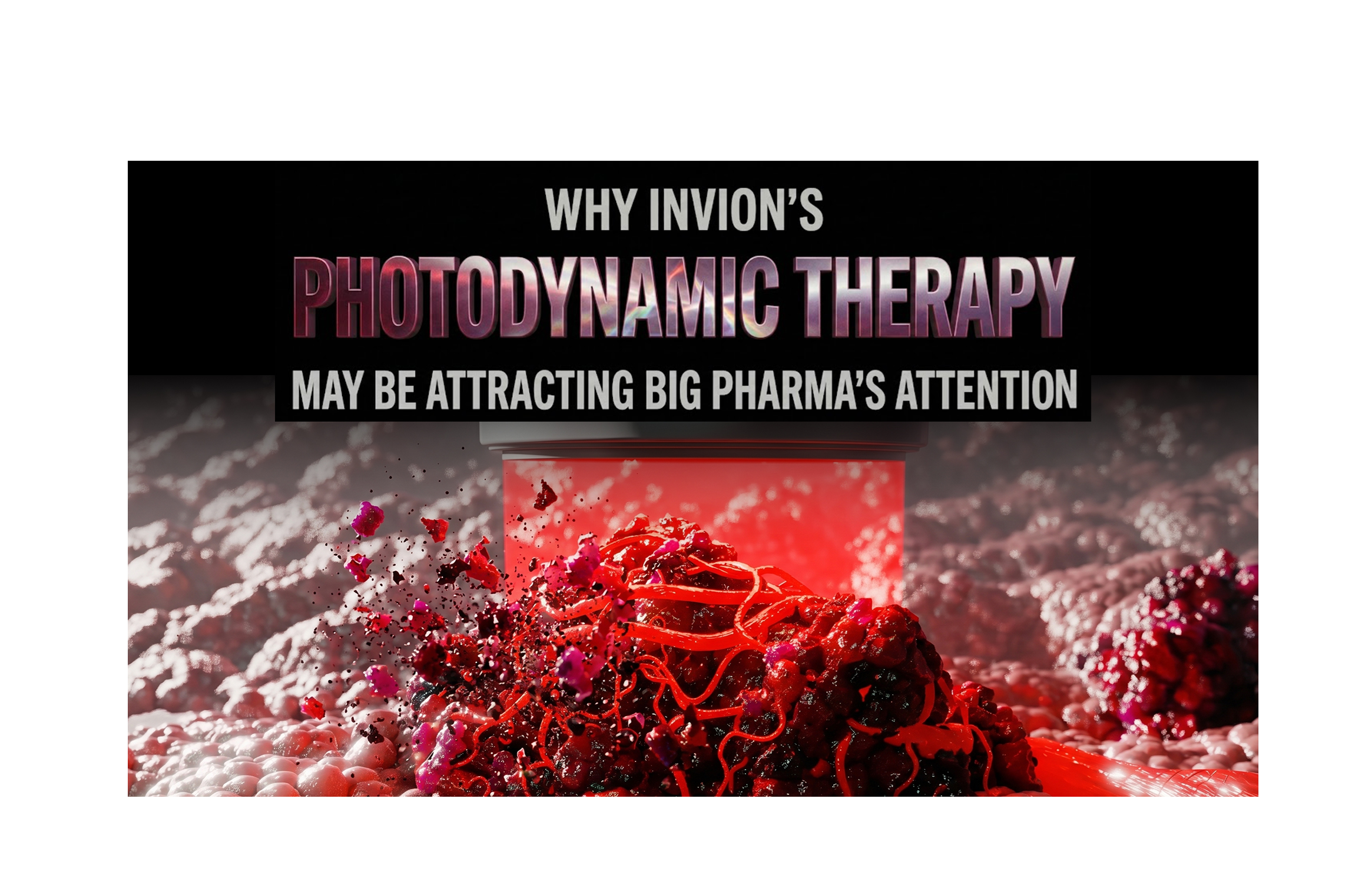
The Light Fantastic: Why Invion’s Photodynamic Therapy May Be Attracting Big Pharma’s Attention
- Published May 08, 2026 2:44AM UTC
- Publisher Jade Miguel
- Categories Capital Insights, Executive Interviews, Landing, Life Science Hub, Trending
Ask any oncologist about their greatest frustration, and the answer is rarely a lack of treatments — it’s a lack of treatments that work. Immunotherapy, the field’s crown jewel, has produced some of medicine’s most astonishing reversals. But those stories of remission come with a shadow: for the majority of patients facing the most aggressive cancers, the immune system is not an ally. It’s a bystander. These tumors have evolved a near-perfect camouflage, wrapping themselves in molecular silence so complete that the body’s defenders don’t even know there’s a war.
For Professor Thian Chew, Executive Chairman and CEO of ASX-listed Invion Limited (ASX: IVX), the solution to this impasse isn’t a more potent, expensive drug—it is light.
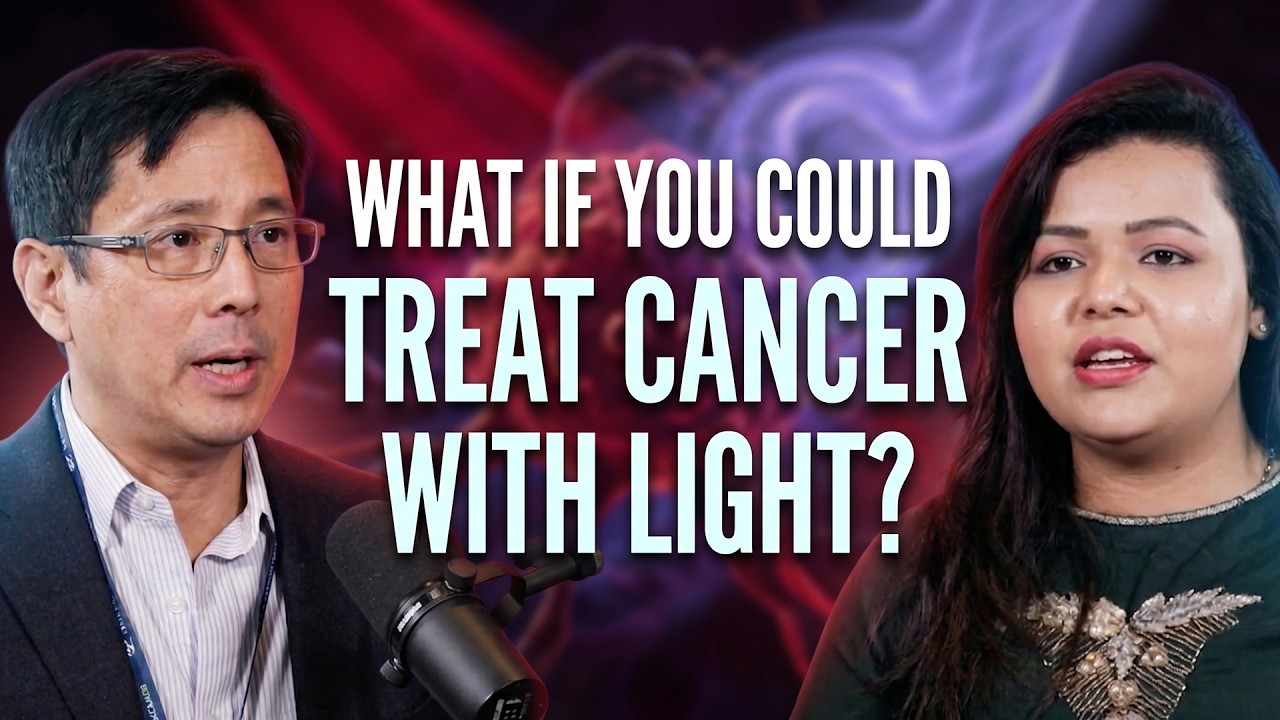
“What if you could treat cancer with light?” Chew asks, framing a vision that balances clinical gravitas with the pragmatism of an investor. “Not lasers that burn tissue, but a precision therapy that uses non-toxic compounds activated by light to selectively kill tumors while stimulating the body’s own immune system to keep fighting.”
The “Warburg Effect”: Using Sugars as a Targeting System
At the heart of Invion’s clinical strategy is its Photosoft™ platform, a next-generation photodynamic therapy (PDT). To the non-scientist investor, the breakthrough lies in how the drug identifies its target.
Cancer cells are metabolically hyperactive; they have an insatiable appetite for energy, a phenomenon known as the “Warburg effect.” Invion has engineered its core molecule by coating it with glucose conjugates. Because cancer cells prioritise the uptake of glucose, the drug naturally accumulates within the tumor and is rapidly cleared from healthy tissue.
“By itself, nothing happens,” Chew explains. “You must activate it by shining a specific frequency of light. Because it is highly localised within the cancer cells, it destroys the tumor while leaving the surrounding healthy cells intact.”
Bridging the 12% Efficacy Gap
The current gold standard in oncology—immune checkpoint inhibitors—has revolutionised care, yet they suffer from a significant “blind spot.” Response rates for many patients hover around 12.5%. Furthermore, these treatments often come with price tags exceeding $300,000 USD, rendering them inaccessible to the vast majority of the global population.
Invion is positioning Photosoft™ not as a replacement, but as a force multiplier. Preclinical work with the Peter MacCallum Cancer Centre demonstrated that Photosoft™ could potentially boost the response rate of traditional immunotherapies from 12% to an impressive 80%.
“The cancer cells are very good at hiding,” says Chew. “Our therapy breaks down the connections that help the cancer hide, making the immune system far more effective.”
A Scalable, “Platform” Play
Unlike biotech firms tied to a single, narrow indication, Invion is operating a “platform” model. By leveraging the universal nature of the Warburg effect, Photosoft™ is currently being validated across a broad spectrum of cancers—from skin and prostate to anal and esophageal.
This multi-pronged approach is supported by rigorous external validation. The company has secured FDA Orphan Drug Designation for anal cancer, a move that provides an accelerated regulatory pathway, and has attracted interest from pharmaceutical partners in Korea—supported by the Korean Drug Development Fund—to advance esophageal cancer programs. Additionally, the company is exploring veterinary applications, with Taiwan-listed Protect Animal Health funding programs for pets, demonstrating the versatility of the technology.
The Value Inflection Point
For investors, the narrative for Invion is shifting from “interesting science” to “execution.”
“We’ve cleaned up the legacy issues—the complicated license structures and share issues—and we’re starting from a solid foundation,” Chew notes. “Our challenge now is visibility.”
With multiple catalysts on the horizon over the next 6 to 12 months—including clinical data readouts across skin, anogenital, and esophageal cancer trials—Chew believes the company is currently undervalued compared to its clinical-stage peers.
Invion represents a rare proposition in the biotech space: a company aiming to solve “financial toxicity” by developing a scalable, small-molecule platform that doesn’t require the prohibitive costs of personalised, patient-specific therapies. As the company marches toward its next series of data milestones, Invion is looking to prove that the most powerful weapon in the war on cancer might just be a humble beam of light and unique photosensitive compounds.
Trending
The Algorithm Re-Dosing Cancer Treatment: Inside the University of Melbourne Spin-Out Rewriting a 60-Year-Old Formula
Oncology specialists are still calculating toxic chemotherapy doses using a formula from the era of the Ford Model T, leading to a system where seven out of eight patients are routinely overdosed. University of Melbourne spin-out PredicTx is dismantling this legacy approach, utilizing advanced AI to analyze existing patient CT scans, deliver precision medicine to the bedside, and return a massive 100x financial rerate to hospital networks.
Asset over thematic: Centuria’s Andrew Essey warns against ‘blanket strategies’ as global capital eyes Australia
Relying solely on broad macroeconomic trends is the single biggest mistake property investors make today. Centuria Capital CIO Andrew Essey explains why asset-level “lettability” always trumps the overarching sector thematic, and reveals where global institutional capital is quietly pivoting to capture high-octane returns.
Material gains: Swinburne spin-out EntroMat takes aim at $160b global market
Traditional metallurgy has hit a performance wall. Discover how Swinburne University spin-out EntroMat is leveraging physics-based AI and circular critical minerals to engineer high-entropy alloys capable of surviving the world’s most extreme industrial environments.
Backed By Leading Investment Groups and Family Offices