News and Announcements

Mastering the Decision Stage: A Guide for Startup Founders
- Published August 17, 2023 11:00PM UTC
- Publisher Wholesale Investor
- Categories Capital Raising Tips
As a startup founder, you’re likely familiar with the buying decision process, which is a critical aspect of capital raising. This process consists of three stages: awareness, momentum, and decision. Each stage is crucial, but today, we’ll delve into the final stage – the decision stage.

The Importance of Momentum
Before we dive into the decision stage, it’s essential to understand the importance of momentum. Momentum is the force that propels potential investors from the awareness stage to the decision stage. It’s about having strong, ongoing conversations with investors and demonstrating that your startup is gaining traction. Ideally, by the time you reach the decision stage, you should have at least 50% of the capital raised. This shows potential investors that others have confidence in your venture, making them more likely to invest.
Setting Deadlines
A key aspect of the decision stage is setting deadlines. Deadlines create a sense of urgency, driving progress and focus. It’s recommended to set a deadline around the 50% completion mark of your capital raising. Deadlines not only keep you on track but also signal to investors that you’re serious and committed to your venture.
Showcasing Achievements
In the decision stage, it’s crucial to showcase your startup’s milestones and achievements. Whether it’s gaining new customers, developing significant partnerships, or launching a new product, these developments can attract attention and support from potential investors. Demonstrating your ability to set and achieve milestones is a powerful way to build investor confidence.
Engaging with Potential Investors
Engagement is key during the decision stage. Consider hosting webinars and information sessions to provide potential investors with a deeper understanding of your startup. Offering one-on-one meetings can also be beneficial, providing an opportunity for potential investors to ask questions and express any concerns. Regular updates, whether in written or video format, can keep potential investors engaged and informed about your startup’s progress.
Proactive Follow-Up
Proactive follow-up is another crucial aspect of the decision stage. It ensures continued interest and engagement from potential investors. Regularly checking in with potential investors, updating them on your startup’s progress, and addressing any concerns they may have can significantly increase your chances of securing investment.
The decision stage is a critical part of the buying decision process. By understanding and effectively navigating this stage, startup founders can significantly increase their chances of successfully raising capital. Remember, the goal is not just to attract interest from potential investors but to convert this interest into actual transactions. So, as you embark on your capital raising journey, keep these strategies in mind and use them to your advantage.
Capital Raising Tips
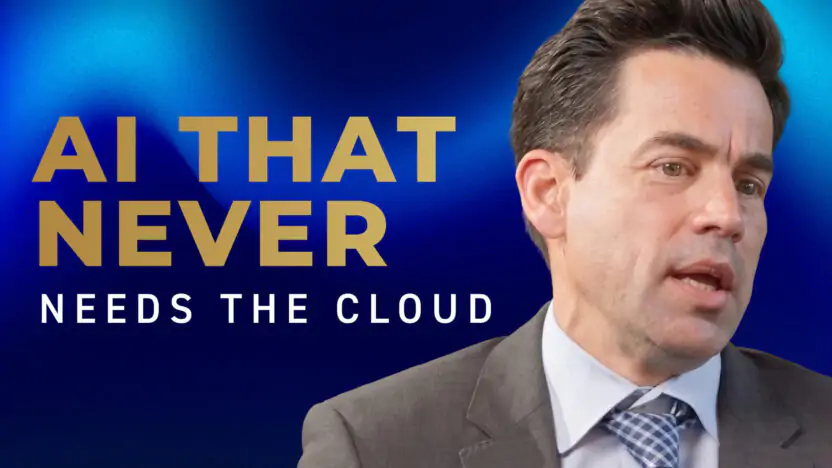
Industrial AI does not fail on models. It fails on context.
Operational Intelligence connects fragmented operational data and systems across an industrial facility, including control systems, historians and equipment data, to give operators and AI tools a connected view of what a plant is actually doing. It sits within the broader industrial software and Asset Performance Management market, where predictive maintenance is one application among several, and can be deployed on premises, at the edge or in airgapped environments where operational data cannot leave the site.
It looks like a fund with no thesis. It is not really a fund.
An umbrella fund structure holds multiple single-purpose sub-funds, each with its own unit class and segregated assets held in the trustee’s name. Investors select an individual project rather than acquiring exposure to the whole portfolio, which means they carry concentrated exposure to that project and do not obtain diversification across the fund’s other investments.
What they took out paid for the production line
Flint’s paper battery is usually described by what it removes. Carlo Charles’s even more interesting point is that removing the materials also removed a lot of machinery, and that is why two products reached production on roughly US$4 million. Asked what is inside his battery, Carlo Charles starts with what is not. No lithium. No […]
Backed By Leading Investment Groups and Family Offices